Why We All See Red Differently
If I ask you to imagine the color red, what comes to mind?
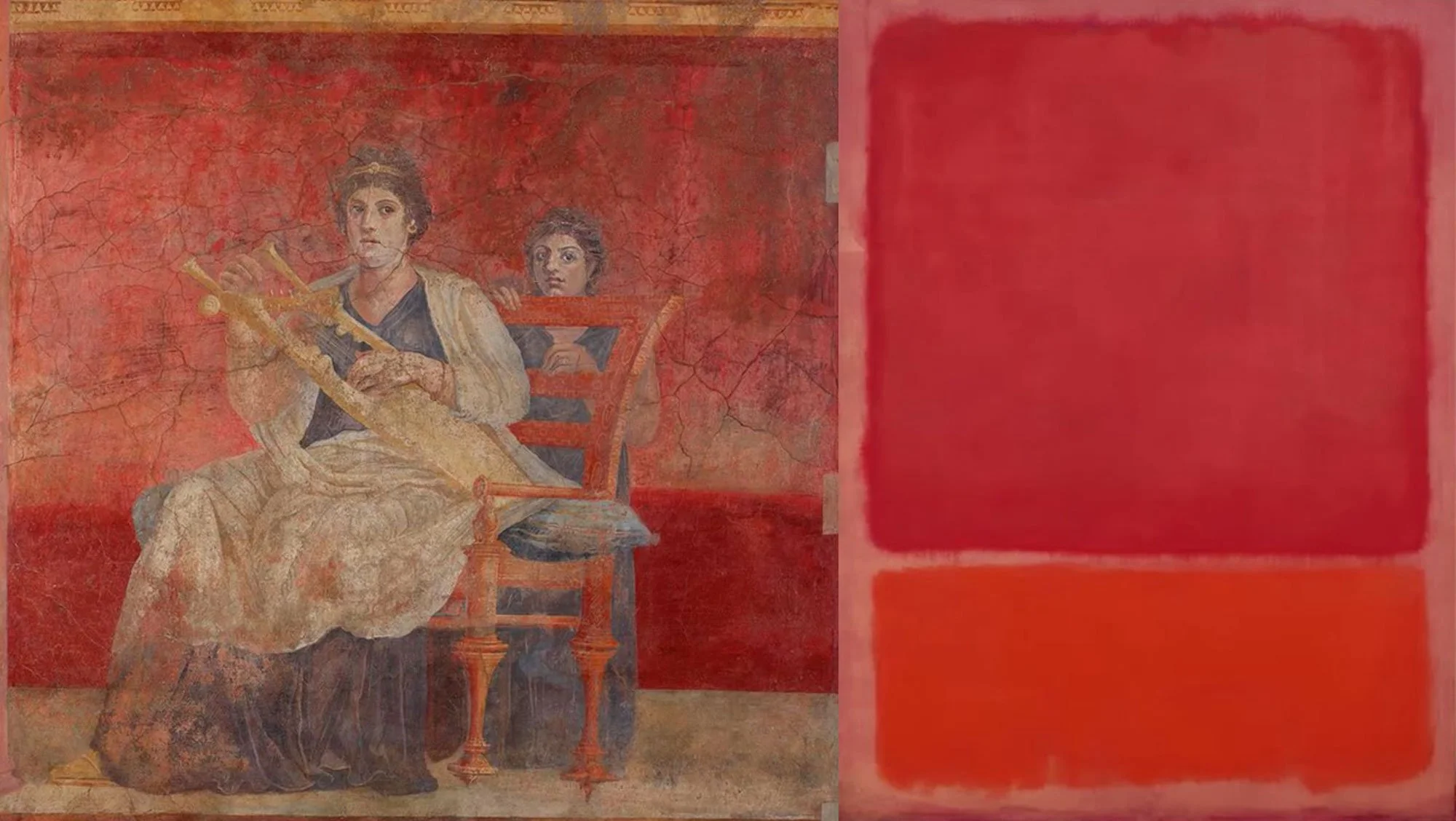
A stop sign? A ripe cherry? A Coca-Cola logo? Or perhaps one of Mark Rothko's glowing fields of crimson?
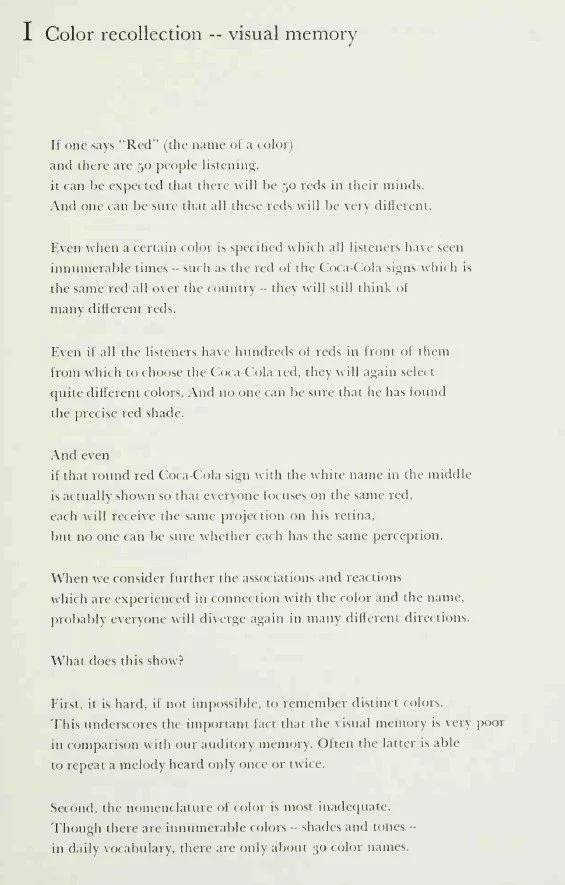
According to Josef Albers in his groundbreaking book Interaction of Color, there is no single "red" that exists in our minds. Even if fifty people are asked to imagine the same color, each person will likely picture a different shade. And even when everyone is looking at the exact same color, our perception is shaped by memory, surrounding colors, light, personal experiences, and emotion.
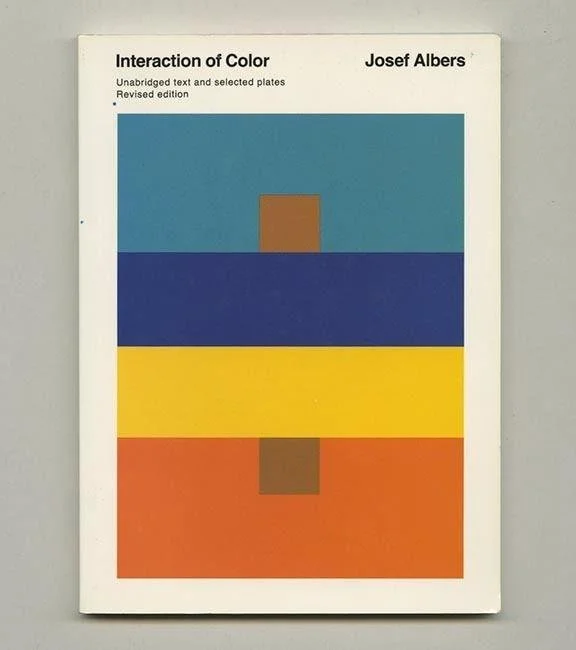
Albers argued that color is almost never seen as it truly is it is always experienced in relation to something else. This simple idea changed the way artists, designers, and educators think about color.
That concept becomes especially fascinating when looking at the work of Mark Rothko. His paintings often rely on subtle variations of red that evoke deeply emotional responses. Rather than depicting objects, Rothko used color itself as the subject, allowing viewers to experience feelings that are difficult to describe with words.
Art historian and author Ben Street explores this beautifully in his lecture "Seeing Red” examining the many shades of red in Rothko's paintings—their origins, their subtle differences, and why they can feel at once visceral, emotional, and sublime.
If you're interested in understanding why color affects us so profoundly, I highly recommend watching the lecture.
And if you've never read it, Josef Albers' Interaction of Color remains one of the most influential books ever written about color perception. It reveals that color is not a fixed property but a living experience but constantly changing depending on context, memory, and the eye of the beholder.
Perhaps that's what makes color so endlessly fascinating: we're never just seeing pigment - we're seeing perception itself.
Interaction of Color
Book by Josef Albers
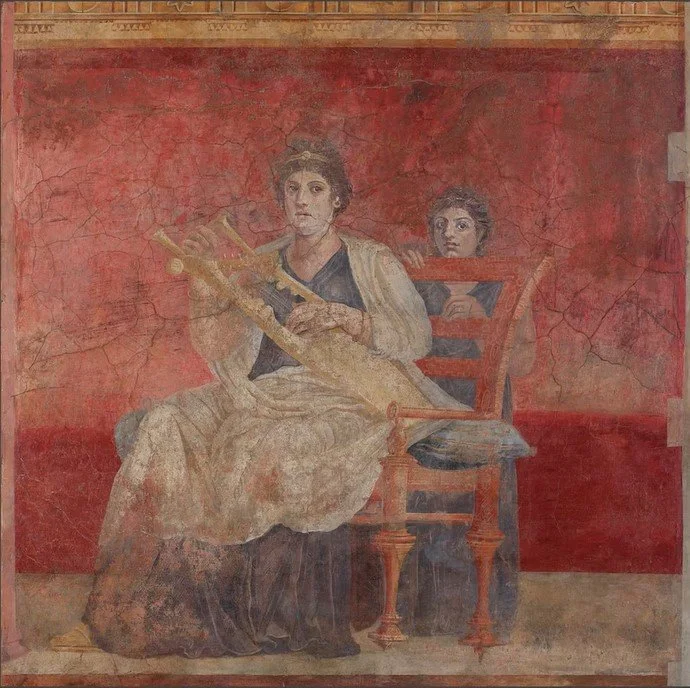
Boscoreale frescos
many art historians believe the Boscoreale frescoes were an important source of inspiration for Mark Rothko, although Rothko himself rarely identified a single direct influence.
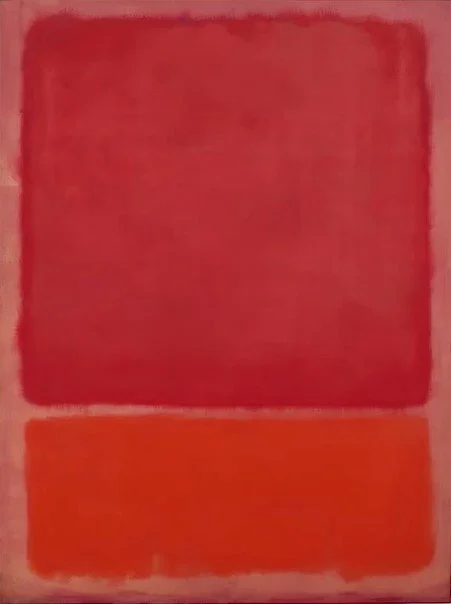
colour Recollection - visual memory
“If one says "Red" (the name of a color) and there are 50 people listening, it can be expected that there will be 50 reds in their minds. And one can be sure that all these reds will be very different.”
— Josef Albers
”Interaction of color”